Post
शुकविलापः
Introduction
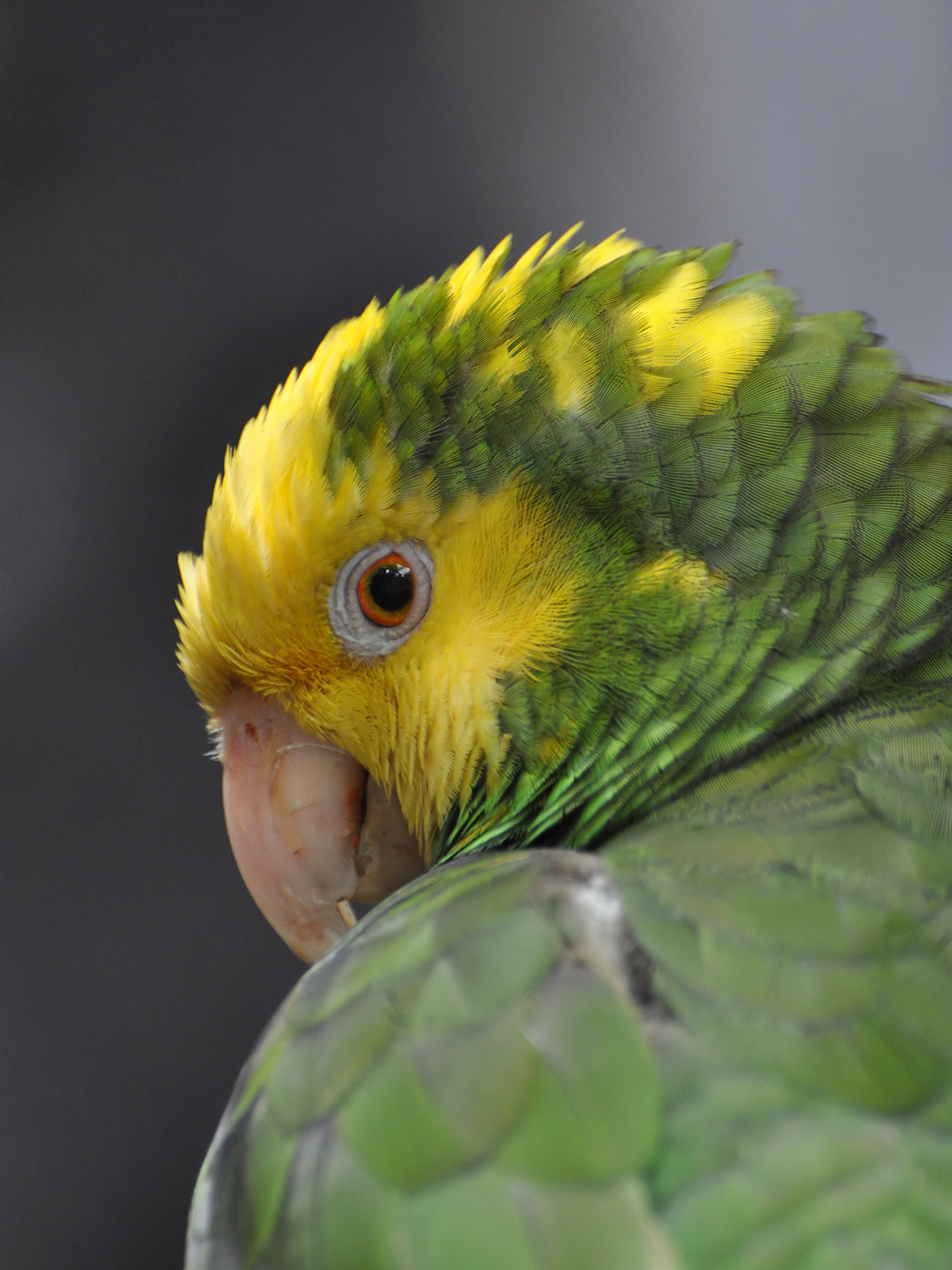
The following is a Sanskrit translation of Lekhnath Paudyal’s 1917 poem पिंजडाको सुगा (Parrot in a Cage) that I did a couple of years ago. There are, it seems to me now, both grammatical errors and infelicities of expression. As I have no intention of working on it right now, I’m letting them be. As Nepali poems are generally in the same metres that are used in Classical Sanskrit, I usually try to preserve the metre in translation. The current poem, however, was in Doha metre.While it is not impossible to preserve moraic metres while translating into Sanskrit, I don’t like moraic metres and have no intention of composing in them. So, upajāti is used here. There are apparantly multiple more than one version floating around. I don’t know what the deal with their authenticity is but this follows the shorter version that I read as a child.
My Sanskrit Translation
कर्त्ता- लेखनाथपौड्यालो नैपाल्यां भाषायाम् (१९७४ वि. स.)
अनुवक्ता- समयशर्म्मा (२०८० वि. स.)
बालोऽहमज्ञः कथितः शुकोऽस्मि बद्धो द्विजोऽहं हत पिञ्जरेऽस्मिन् । स्वप्नेऽपि चाऽप्तो न मया कदाचित्क्षेमो मुखं नाऽपि सुखस्य दृष्टम् ॥०१॥ मद्बान्धवाश्च पितरौ च कोणे क्वचिन्न्वरण्यस्य वसन्ति दूरे । ब्रूयां च कस्मै हृदयस्य तापं कुर्व्वन्विलग्ने निभृतो विलापम् ॥०२॥ प्रवाह्य चाऽश्रं नु रुदन्कदाचित्स्थिरः कदाचिच्छववन्नु भूत्वा । लङ्घन्कदाचिद्मतिहीनवच्च स्मरामि नित्यं सुखतामटव्याः ॥०३॥ वृक्ष्यानि जग्ध्वा ससुखं वसन्तं नित्यं ह्यरण्ये रममाणमज्ञम् । बबन्ध दैवो बत पिञ्जरे मां कर्म्माऽस्ति शम्भो भुवने विचित्रम् ॥०४॥ विष्वग्द्विषो मां परिवारयन्ति ममाऽस्ति लोके न हि काचिदूतिः । मुक्तः कथं स्यामपनेय एषो भारः कथं वा हृदयस्य हन्त ॥०५॥ शिशीर्षितुः पिञ्जरकं मुखेन चञ्चू तु भग्ने मम मन्दभाजः । घर्षाद्ममेतौ विवृतौ च पक्षौ कालं कथं हन्त नयेम नूनम् ॥०६॥ कोऽयं कुतोऽयं किमिहाऽत्ति बद्धो विलग्नमध्ये न हि पृच्छतीदम् । न वेत्ति मां वा मम वै व्यथां वा मनो न तस्माद्रमतेऽथ किञ्चित् ॥०७॥ शुष्कश्च कण्ठः परुषश्च बन्धस्ततोऽपि वक्तव्यमतः श्रमेण । नो चेद्वदिष्ये हत दण्डपाणिः कश्चिन्नु हन्तुं भवतीह सज्जः ॥०८॥ जाल्मोऽयमस्तीति वदत्यथैको विलास्ययं चेति तथापरश्च । वक्त्येव चान्यः शुक हाऽत्मराम पठन्पठंस्त्वं कुरुतात्स्वनाम ॥०९॥ गुणस्य वैरी मनुजातजातिर्व्वक्षो ह्यकृत्वा गुणिनां सुशुष्कम् । प्राणांश्च यावन्न हरेत्कथं स्याद्धा हन्त तुष्टा भुवने समन्तात् ॥१०॥ एकोऽपि यावत्पृथिवीतलेऽस्मिन्स्याद्मानवो मा विहगस्य दास्त्वम् । हा जन्म तुच्छं मयि दीनबन्धो दयस्व दीने भगवन्दयालो ॥११॥
English Translation
I am a young, naive parrot, a twice-born, trapped, alas, in this wretched cage. Not even in dreams have I ever found peace, nor have I seen the face of happiness. (1) My kin and my parents dwell far away, in some corner of the great forest. To whom can I speak of my heart’s anguish, lamenting alone inside the cage ? (2) Sometimes shedding tears and weeping, sometimes lying still as a corpse, Sometimes leaping about madly, I constantly remember the happiness of the forest. (3) I, who lived so happily, eating wild fruits, always delighting in the forest, so carefree Alas, fate has bound me in a cage! O Śiva, how strange is karma in this world! (4) Enemies surround me on all sides; in this world, I have no help at all. How can I become free? How can this burden on my heart be lifted?(5) Desiring to break the cage with my mouth, my unfortunate beak has broken. From rubbing against the bars, my wings are blunt. Alas, how shall I pass the time? (6) “Who is this? Where did he come from? Why is he bound here inside the cage?"—no one asks this. No one knows me or my suffering. So, my mind finds no distraction. (7) My throat is dry, and the confinement is harsh; even so, there is a compulsion to speak. If I don’t speak, a man comes with stick in hand, ready to strike. (8) One person says, “This one is a rogue,” while another says, “This one is a show-off.” Yet another just says, “O parrot, ‘Ātmārām,’ read, read and make your name famous!” (9) The human race is an enemy to virtue. Until it has utterly dried up the hearts of the virtuous and taken away their lives, how can it ever be satisfied in this world (10) As long as single human remains on earth, don’t give anyone the life of a birth- worthless as it is. Take compassion, o compassionate one ! (11)