Substack
Philologist Priapus uncovers the truth behind Homeric epics.
Wisdom of the well endowed god.
Introduction
Catullus 16 seems to be somewhat of a meme in the online Latin community for being unusually explicit and bawdy. I don’t really know what the reason behind this perception is, though if I had to throw a guess it’s because Catullus is one of the authors usually included in school curriculums and going from the lofty pietas of the Aeneid to Catullus is indeed a strange experience. And while Catullus is indeed quite explicit, he is not an aberration unheard of in Latin poetry. Martial, for example, can be as explicit and graphic as Catullus, sometimes more.
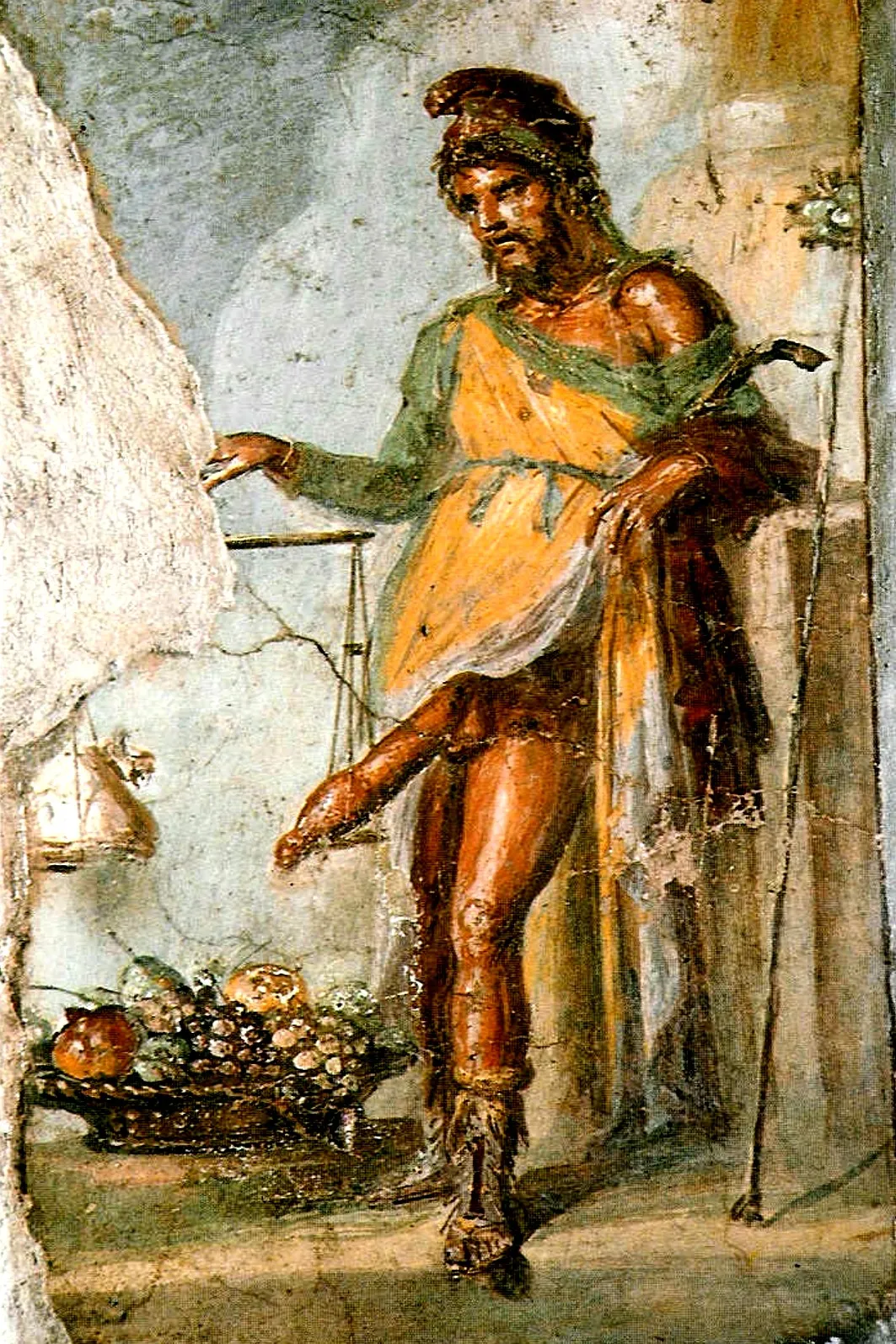
Anyway, let us leave Catullus and Martial to themselves and focus on Priapea. Priapea or Carmina Priapea is a collection of short Latin epigrams in various meters on the shenanigans of the god Priapus. Priapus is, as the subtitle says, is the well-endowed one. The comically large phallus, which is his most characteristic aspect, seems to connect him to fertility though he himself is tragically infertile. Compared to the major Olympian gods, there are few myths about Priapus that survive and those that do survive often have contradictory information even on things as basic as his parentage. The more popular version seems to have him a son of Aphrodite (i.e. Venus) cursed by Hera with ugliness and an ever-erect large penis (which amusingly he cannot sustain for an actual intercourse). Another myth records him as attempting to rape a sleeping Hestia who was waken up by an ass. As a result, Priapus bears a deep hatred for asses ever since.1
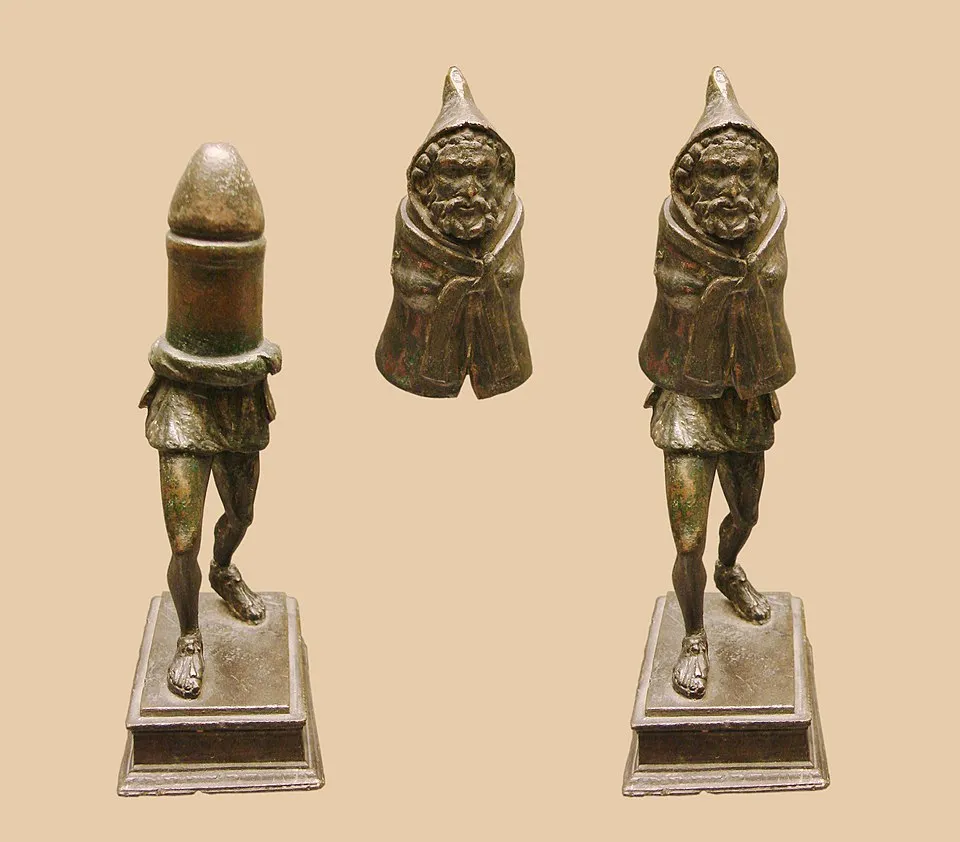
Even in antiquity, Priapus seems to have been seen by the Greeks and Romans as something of a joke. He was commonly placed in gardens, threatening potential trespassers with his mighty weapon. Roman inscriptions and graffiti that survive contain some examples of such threats as well as some idols themself.
Priapea, then, is a collection of about 80 epigrams about this Priapus. When was it written? Is the whole collection by a single poet or is it a product of different hands over time and space? Even as the god himself, we don’t have a certain answer to any of these basic questions. From at least the time of Seutonius (early 2nd CE) there was a tradition that Priapea was written by Vergil. Manuscripts evidence generally supports this view. From the Renaissance onwards, scholars often couldn’t believe that a poet like Vergil, whose serious and high-minded Aeneid was one of the most popular Latin works in the middle ages and who was seen as a sort of pre-Christian prophet due to one of his eclogues being interpreted as a foretelling of Christ2, could have written so much explicit and vulgar epigrams. There arose a multitude of opinions as to the date and authorship in the succeeding centuries. Ovid, Martial, group of poets under Maecenas’ patronage, etc. were the common contenders. At the beginning of the 20th century, the received wisdom seems to point that the it was collection of Priapic poems by various authors compiled sometimes in the Augustan or silver ages of Latin literature.3
After the pioneering study R.S. Radford (1921)4, pendulum has swung back to a unitary authorship, though necessarily not Ovid as he suggested.
Most of the epigrams in the collection are rather short and, except for some rather creative sexual vocabulary, fairly simple. It would make for rather useful reading material for adult beginner or intermediate Latin students in my opinion.5 Here’s for example a rather short one:6
Boy, you’ll be sodomized and girl, you’ll be fucked. For a bearded thief, a third punishment remains.
What law Priapus is said to have warned to boys will be written in two verses below: Steal with impunity what my garden has, but only if you’ll give me what your garden contains.
At the tail end of the collection, however, there are some longer epigrams. Of these, Priapea 68 is probably most interesting one.8 It contains Priapus’ interpretation of Homeric poems. After begging pardon in the beginning for jumping into Homeric criticism as an uneducated rustic, he launches into the job, using rather far-fetched (though funny) etymologies and double entendres to claim rather innocuous Homeric vocabulary to be rather explicit. After this beginning, Priapus covers events in the Homeric epics rather than words, taking shots at Homer himself at times9.
As stated earlier, Priapus uses a lot of faux-etymologies and double-entendres, especially in the first part. It would be difficult to see the wordplay without seeing the words themselves, so I’ve kept the original words and given the meaning inside brackets. The notes that follow contain basic cultural and philological notes.
Poem
Latin Original
Rūsticus indoctē sī quid dīxisse vidēbor, dā veniam: librōs nōn legō, pōma legō. sed rudis hīc dominum totiēns audīre legentem cōgor Homērēās ēdidicīque notās. ille vocat, quod nōs psōlēn, ψολόεντα κεραυνόν, 5 et quod nōs cūlum, κουλεόν ille vocat. μερδαλέον certē sī rēs nōn munda vocātur, et pēdīcōnum mentula merdālea est. quod nisi Taenariō placuisset Trōica cunnō mentula, quod caneret, nōn habuisset opus. 10 mentula Tantalidae bene sī nōn nōta fuisset, nīl, senior Chrȳsēs quod quererētur, erat. haec eadem socium tenerā spoliāvit amīcā, quaeque erat Aeacidae, māluit esse suam. ille Pelēthroniam cecinit miserābile carmen 15 ad citharam, citharā tēnsior ipse suā. nōbilis hinc nātā nempe incipit Īlias īrā prīncipiumque sacrī carminis illa fuit. altera māteria est error fallentis Vlixeī: sī vērum quaerās, hanc quoque mōvit amor. 20 hīc legitur rādīx, dē quā flōs aureus exit, quam cum μωλυ vocat, mentula μωλυ fuit. hīc legimus Circēn Atlantiademque Calypsōn grandia Dūlichiī vāsa petīsse virī. huius et Alcinoī mīrāta est fīlia membrum 25 frondentī rāmō vix potuisse tegī. ad vetulam tamen ille suam properābat, et omnis mēns erat in cunnō, Pēnelopēa, tuō: quae sīc casta manēs, ut iam convīvia vīsās utque futūtōrum sit tua plēna domus. 30 ē quibus ut scīrēs quīcunque valentior esset, haec es ad arrēctōs verba locūta procōs: ’nēmō meō melius nervom tendēbat Vlixe, sīve illī laterum sīve erat artis opus. quī quoniam periit, vōs nunc intendite, quālem 35 esse virum scierō, vir sit ut ille meus.' hāc ego, Pēnelope, potuī tibi lēge placēre, illō sed nōndum tempore factus eram.
English Translation
If I, a rustic fellow, seem to say something ignorant, pardon me: I pick up apples, not books. Though vulgar, I’m compelled here to listen to my master reading Homeric verses and to learn them.
What we call ‘psolen’ (penis), he (Homer) calls psolenta keraunon (flaming thunderbolt) and what we call ‘culus’ (ass), he calls kouleon (sheath). merdaleon (terrible) the filthy thing is called for sure and dick of an assfucker is filthy.
If the Spartan cunt hadn’t liked the Trojan dick, he (Homer) wouldn’t have anything to sing at all. If the habits of Agamemnon’s dick weren’t so well known, old Chryses wouldn’t have to complain to him. And again, Agamemnon’s dick spoiled his ally from his girl and wished her for itself. Homer sang the melancholy song with his Pelethronian cithara being harder than the cithara’s strings himself.
Famous Iliad was born from the same thing; this was the origin of that sacred song. As for cunning Odysseus, his wanderings had another subject-though love moved him too, if you look closely. Here do we read of golden herb which Homer calls moly. Well, moly means dick. Here, too, do we read of Circe and of Calypso, Atlas’ daughter, wanting the ‘large instrument’ of Dulichian Odysseus. Alcinous’ daughter Nausicaa was stunned that such a large branch could hardly cover his ‘organ’. Odysseus, nonetheless, hastened to his own for all his mind was in your cunt, Penelope.
You, Penelope, remained chaste but you organized feasts to make sure your house was full of fuckers anyway. To find out who’s the best of those ‘hardened’ suitors, “No one”, you said “could tend the string better than my Odysseus, whether in skill or in strength. Now you all should try so I can see who may be my man.”
In this I could’ve pleased you, Penelope. Sadly I wasn’t created yet then.
Notes
Rusticus … pōma legō : Priapus speaks in this epigram (as in many others in the Priapea) as a wooden figure kept in gardens. As such he is rudis, both physically and educationally.
psolenta keraunon : psoleos (penis) in Latin is humourously derived from Greek psoleis (flaming) keraunos(thunderbolt). ψωλη (psole) which is the vulgar word for penis is not related. I’ve kept the greek accusative forms in the translation. cf. Odyssey XXIV. 539 “καὶ τότε δὴ Κρονίδης ἀφίει ψολόεντα κεραυνόν” (“And the son of Kronos hurled the flaming thunderbolt…”)
nōs cūlum, κουλεόν ille vocat : Latin culus (ass) is here compared with Greek κουλεόν (sheath of a sword). The Latin term borrowed from κουλεόν would actually be culeus which means something like sack. The use of sheath as an euphemism for private parts seems fitting considering that English uses the Latin word for sheath as such.
μερδαλέον : Latin merdaleus (filthy, defiled with excrement) seems to be connected here to σμερδαλέον (terrible).
Taenariō placuisset Trōica : Teanarus is the name of a promontory in the Peloponnesus. It was apparantly named after one of the three brothers who held a part of that land. Thus, it means Spartan and refers to Helen of Sparta. The Trojan is of course Alexander, son of Priam.
Tantalidae : “of Tantalus’ descendant” i.e. of Agamemnon
Pelēthroniam … ad citharam : Pelethronian cithara - so called because it was given to Achilles by his guardian the centaur Chiron Pelethronius.
altera māteria : This marks the beginning of the Odyssean part.
allentis Vlixeī : “cunning Odysseus”. Romans, in general, did not have a positive view of Odysseus. His tricks against Trojans seems to be a major reason. The contrast between ‘fallens’ or ‘subdolus’ Odysseus and ‘pius’ Aeneas is very apparant in the Aenead. I’ve kept the more familiar Odysseus instead of Ulixes.
moly : Moly is the herb given by the god Hermes to Odysseus which renders him impervious to the magic and poison of Circe. Its precise botanical identification is controversial and much ink has been spent on the problem. Perhaps Priapus’ guess is as good as anyone else’s.
grandia Dūlichiī vāsa petīsse virī : Dulichium is an island near Ithaca. It seems to be vaguely related to Odysseus’ dominians in the Odyssey.
Alcinoī mīrāta est fīlia : Alcinous’ daughter Nausicaa finds a shipwrecked Odysseus naked lying on the beach.
nōndum … factus eram : Again, not as Priapus generally but as a specific statue supposed to be the speaker.
inde focum servat pistor dominamque focōrum et quae pūmiceās versat asella molās. praeteream referamne tuum, rubicunde Priāpe, dēdecus? est multī fābula parva jocī. turrigerā frontem Cybelē redimīta corōnā convocat aeternōs ad sua fēsta deōs; convocat et satyrōs et, rūstica nūmina, nymphās; Sīlēnus, quamvīs nēmo vocārat, adest. nec licet et longum est epulās nārrāre deōrum: in multō nox est pervigilāta merō. hī temere errābant in opācae vallibus Īdae, pars jacet et mollī grāmine membra levat; hī lūdunt, hōs somnus habet; pars bracchia nectit et viridem celerī ter pede pulsat humum. Vesta jacet placidamque capit sēcūra quiētem, sīcut erat, positum caespite fulta caput. at ruber hortōrum cūstōs nymphāsque deāsque captat, et errantēs fertque refertque pedēs; aspicit et Vestam: dubium nymphamne putārit an scierit Vestam, scīsse sed ipse negat. spem capit obscēnam, fūrtimque accēdere temptat, et fert suspēnsōs corde micante gradūs. forte senex, quō vectus erat, Sīlēnus asellum līquerat ad rīpās lēne sonantis aquae; ībat ut inciperet longī deus Hellēspontī, intempestīvō cum rudit ille sonō. territa vōce gravī surgit dea; convolat omnis turba, per īnfēstās effugit ille manūs. Lampsacos hoc animal solita est mactāre Priāpō, ‘apta’ canēns ‘flammīs indicis exta damus.’ Ovid. Fasti. VI.317-346 ↩︎
Eclogue 4 which contains prophesy about a divine child whose birth would lead to a golden age again. ↩︎
The information about authorship is mostly taken from the dual language edition of W.H. Parker. Parker, W. H. (1988). Priapea: Poems for a Phallic God. Taylor & Francis. ↩︎
Radford, R. S. (1921). The Priapea and the Vergilian appendix. Transactions and Proceedings of the American Philological Association, 52, 148. https://doi.org/10.2307/282958 ↩︎
Faenum publishing has infact published an intermediate reader on Priapea. ↩︎
Percīdēre puer, moneō: futuēre puella: barbātum fūrem tertia poena manet. Priapea XIII. All translations, unless otherwise noted, are my own. ↩︎
Quam puerō lēgem fertur dīxisse Priāpus, versibus hīs īnfrā scrīpta duōbus erit: ‘quod meus hortus habet sūmās inpūne licēbit, sī dederīs nōbīs quod tuus hortus habet. Priapea V ↩︎
And not only to me, it seems. It is the only epigram that has a wikipedia page of its own. ↩︎
line 16: himself harder than the cithara’s strings ↩︎